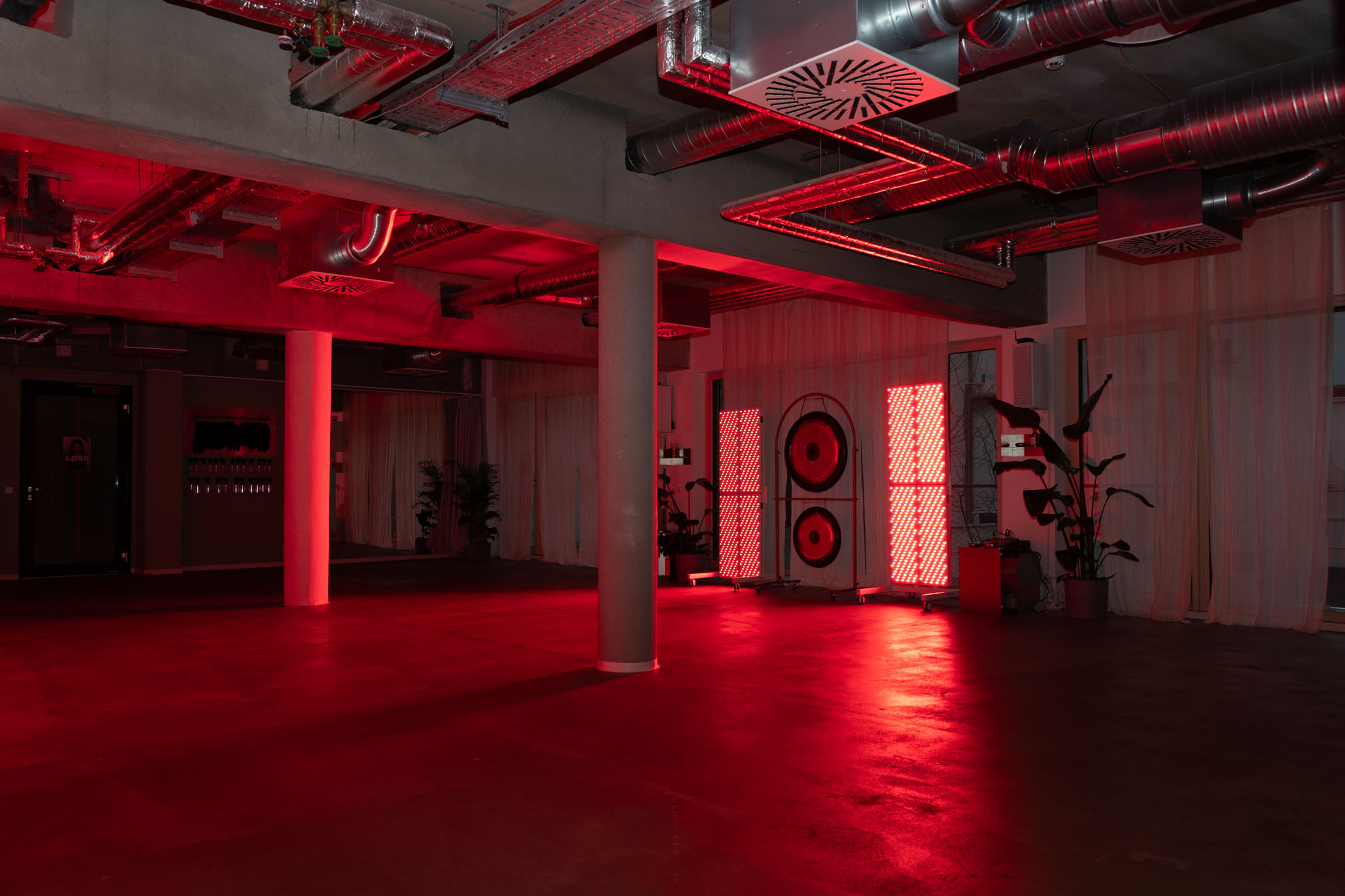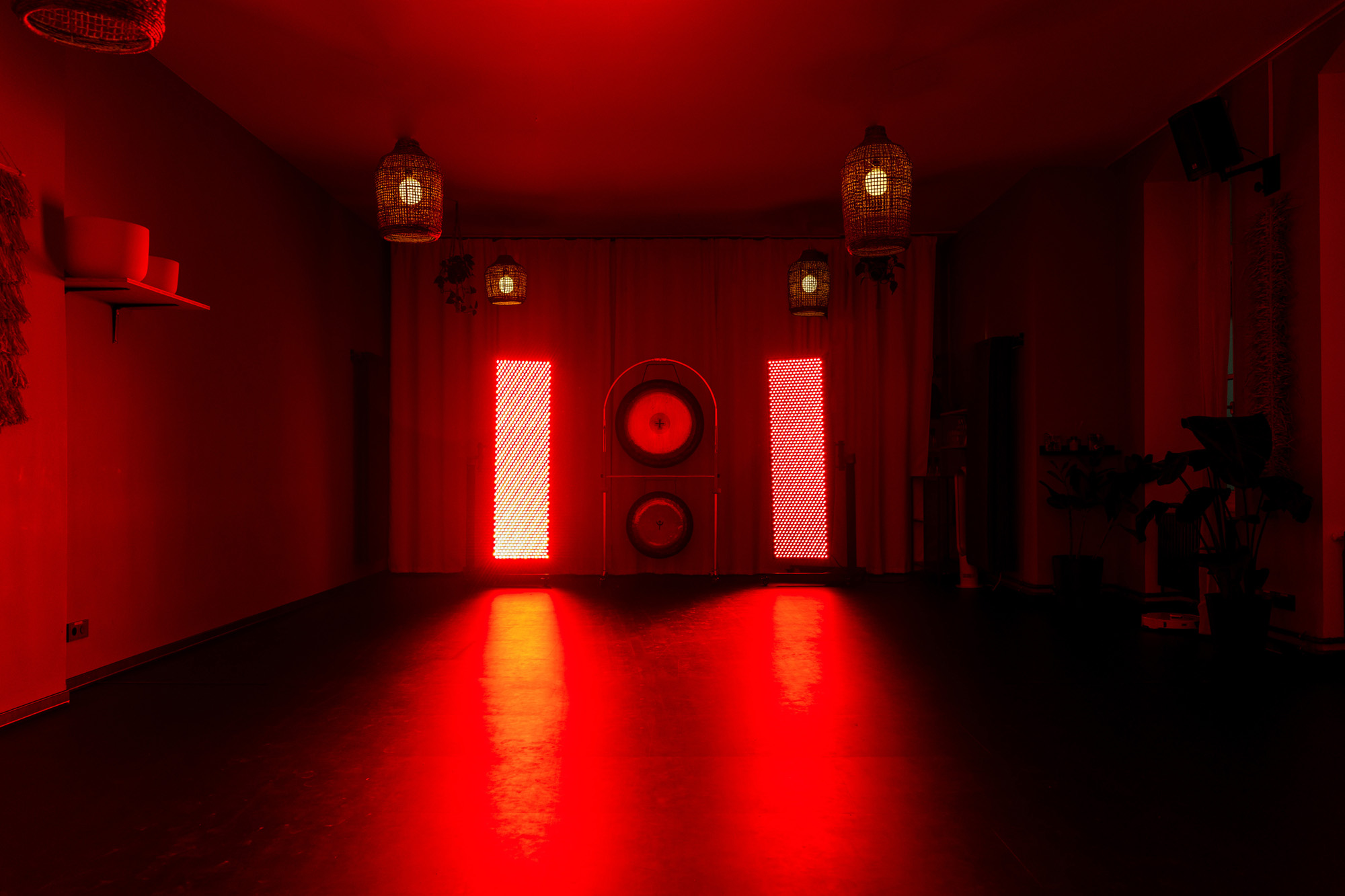
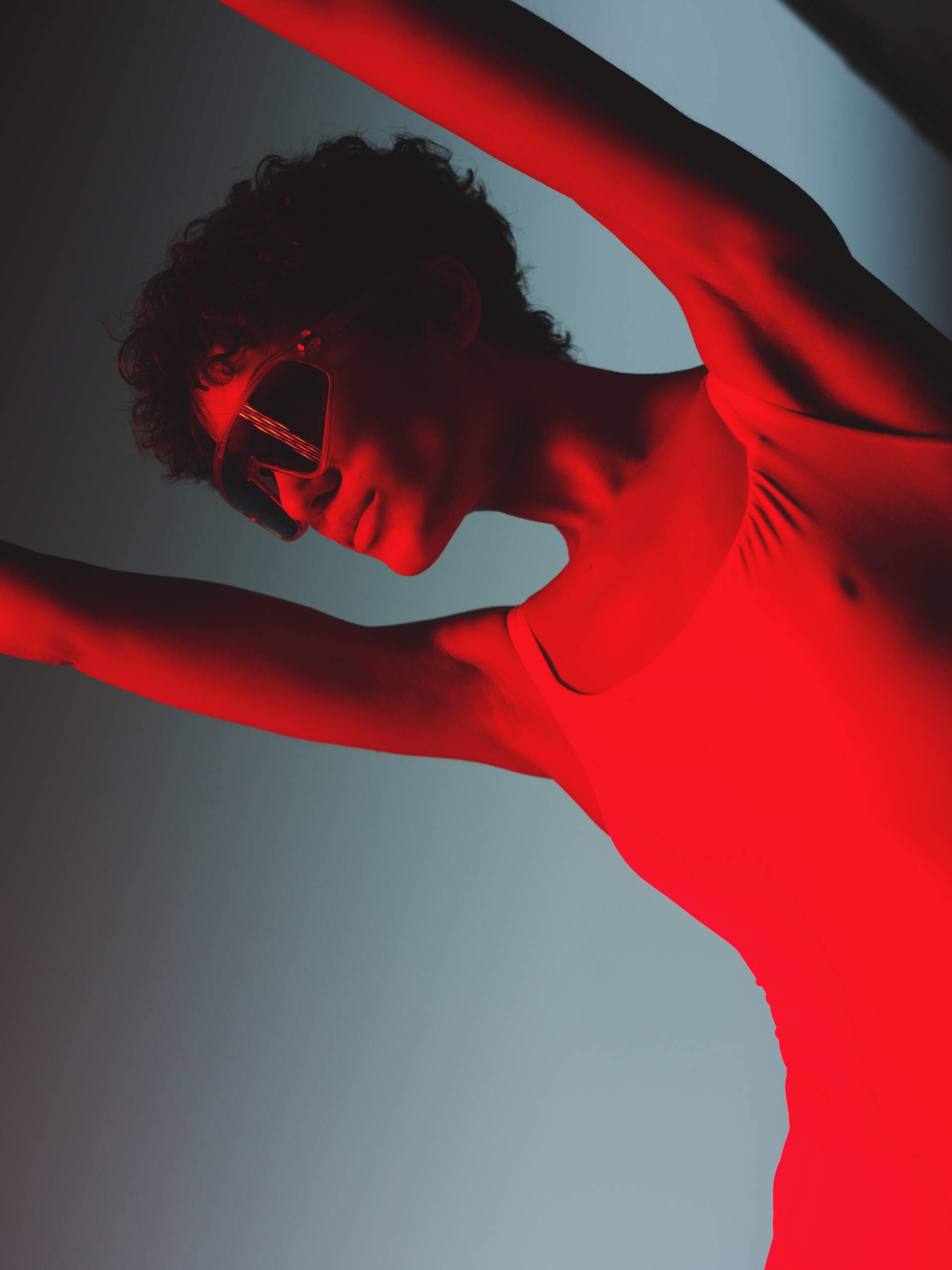
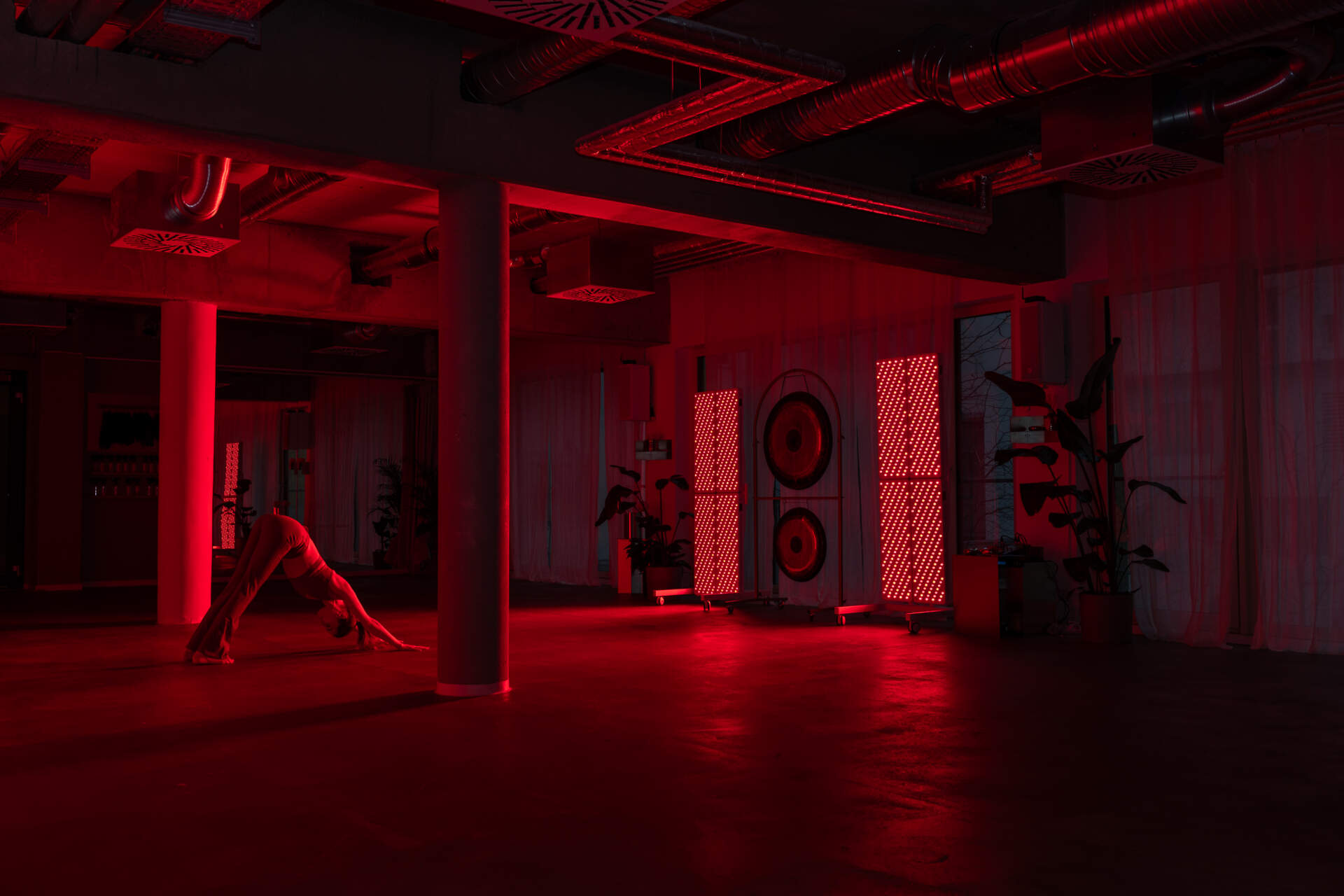
Many experience a warming, energizing effect that pairs well with Pilates, Sculpt, or Yoga, helping the body feel more awake yet balanced during and after class.
Key Benefits
Cellular support through targeted wavelengths
Enhanced recovery and inflammation modulation
Improved circulation and muscle readiness
Calming, grounding nervous system environment
Supportive atmosphere for consistent practice
Cellular support through targeted wavelengths
Cellular support through targeted wavelengths
The red (typically ~630–660 nm) and near-infrared (typically ~810–850 nm) light used in RED LIGHT environments falls within a range shown in studies to penetrate tissue and be absorbed by cellular photoreceptors. This stimulates mitochondria — the “powerhouses” of cells — leading to increased ATP (cellular energy) production, which may support healing and recovery processes after movement and training.
Enhanced recovery and inflammation modulation

Enhanced recovery and inflammation modulation
Research on photobiomodulation indicates that these specific wavelengths can influence inflammatory markers, support blood circulation, and help the body manage the acute stress of exercise and microtrauma, potentially leading to quicker recovery between sessions.
Improved circulation and muscle readiness

Improved circulation and muscle readiness
Red and near-infrared light have been associated with local increases in microcirculation and oxygen delivery to tissues. Improved circulation can help warm muscles and joints and may support performance and readiness during strength, sculpt, and Pilates work.
Calming, grounding nervous system environment

Calming, grounding nervous system environment
While the specific mechanisms are still being explored scientifically, low-stimulation environments with red light have been linked in preliminary studies to positive effects on mood and nervous system regulation, which may help balance effort, presence, and recovery in mind–body practices.
Supportive atmosphere for consistent practice
Supportive atmosphere for consistent practice
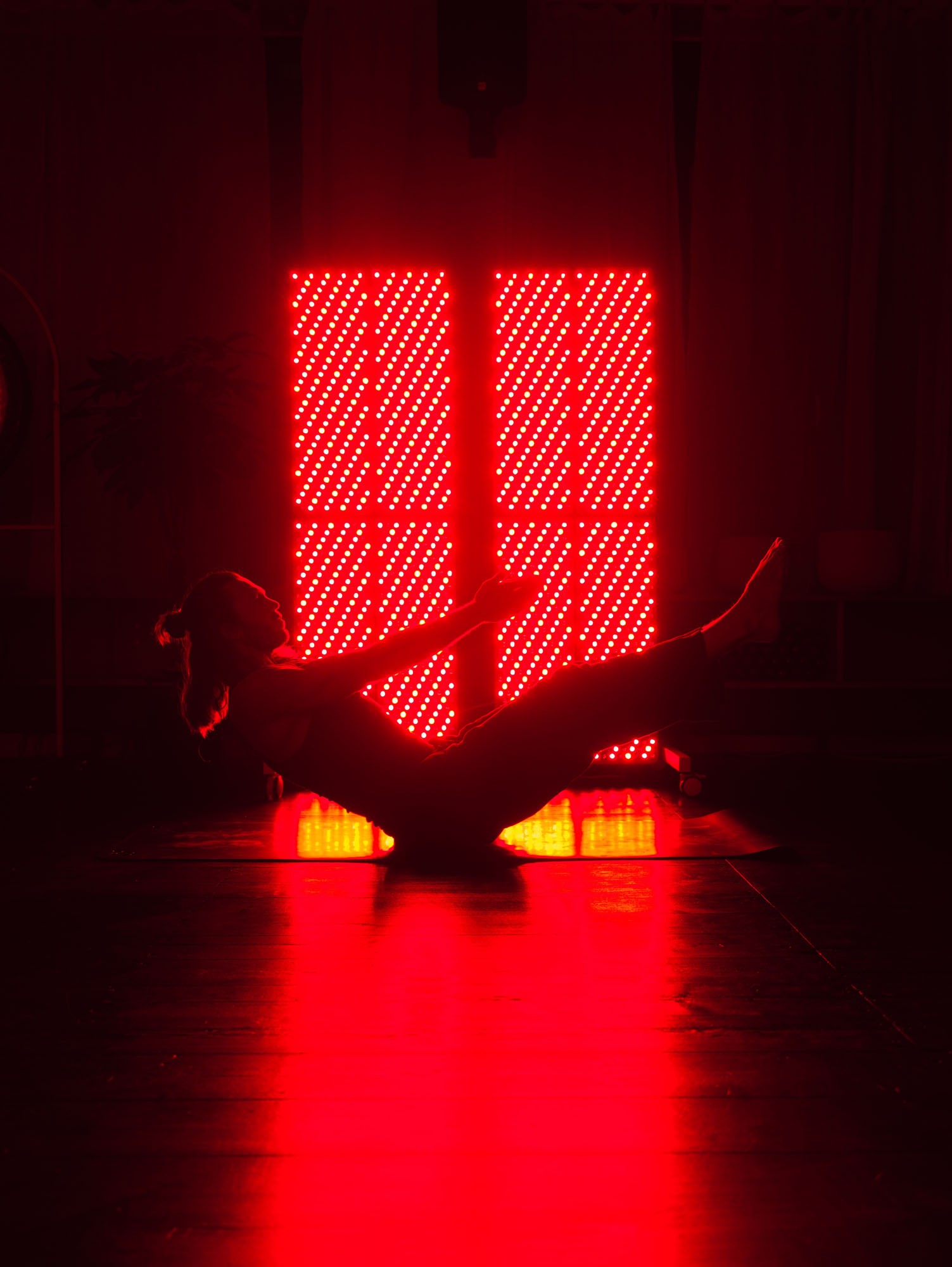
Beyond cellular mechanisms, the specific light spectrum used (visible red + near-infrared) creates a warm, immersive environment conducive to sustained focus and engagement. This can help practitioners stay consistently present in movement, breath, and meditation — a key factor in long-term progress. (Scientific studies emphasize consistency and wavelength specificity when interpreting outcomes in light-based wellness research.)
Book now: choose your space